

How to Be a Mental Health Advocate
Young people have always been capable of lasting change; together, we can create a world where mental health is supported for all.
by: Bronwyn D., age 18
Scrolling through social media, it’s easy to encounter posts that can make you feel down and discouraged. As a young person, it can be hard to believe that your actions and voice can make a real difference, especially in the realm of ending the stigma (biased attitudes) surrounding mental health. However, there are a ton of people who can benefit from our perspectives—read on to find out how you can empower yourself by becoming a mental health advocate.
Before joining a large organization like the American Academy of Pediatrics, I took baby steps. Asking your friends and family how they are doing and offering them a safe space when they need it is a great way to start! Not only will you create a super strong system of support, but you’ll also get the hang of talking about the feelings and experiences that’ll come to shape your advocacy.
Taking a stand
Now that you’ve built great connections and feel comfortable discussing mental health topics with others, it’s time to start moving beyond your inner circle. Does your school or community have a mental health club or organization you can join, or are there resources to start your own? You may have to think outside the box a little. For example, I’ve led my school’s Psychology Club for the last three years, and I use check-ins and group discussions to infuse mental health topics into every meeting.
Still, if you’re short on time, mental health advocacy doesn’t have to be another item on your to-do list. Simply (gently) correcting someone if they misuse a mental health term (like calling the weather “bipolar” instead of unpredictable) is a way to educate others, no club required. Plus, who knows? Your voice might just inspire another peer to do the same.
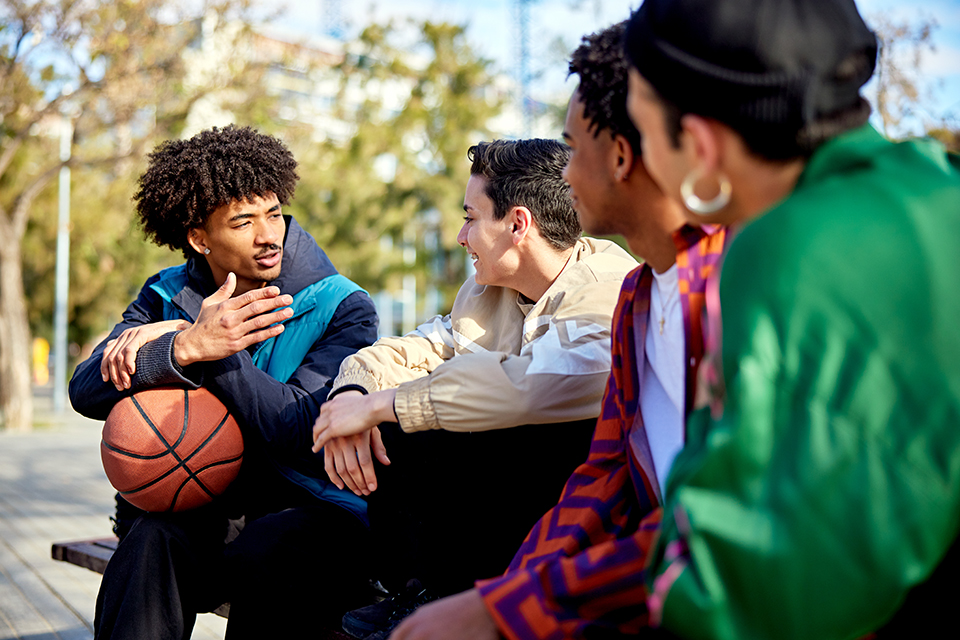
Be unafraid to speak up
If you notice a lack of counselors or mental health resources at your school, speak up! Board of Education or community committee meetings are a great place to get your ideas across. Check out websites of mental health non-profits and sign up for their newsletters. The advocacy opportunities will come right to your inbox! Make sure to advocate for yourself, too. Being honest about your mental health and sticking with your values goes a long way.
You can change the world
Throughout your mental health advocacy journey, remember that change doesn’t happen in a day. Obstacles might be external, like your school being hesitant about increasing funding for mental health services, or internal, such as anxiety about standing up against stigma. But, no matter what, you have something not many prominent mental health advocates have: a youth voice. And with that voice, you can change the world. So, are you ready?
Bronwyn D. is a senior in high school from New Jersey. She is a part of Mental Health America’s Youth Advocacy Network and the AAP’s Youth Leadership Group on Suicide Prevention. In her work, she focuses on community support and accessible mental health resources for young people. The development of this information was made possible through support from Kenvue.